
Manure Management by Animal
Manure management guidance for every farm animal: how cow, pig, poultry, horse and goat manure differ, how to handle a…
Read more →Mixed livestock operations produce several manure streams with different moisture, fibre and nitrogen content. Managing them together is an exercise in blending and scheduling — and it usually produces a better fertilizer than any single stream alone.
How manure is collected determines its moisture, its contamination level and how easily it can be processed. A dairy farm scraping yards produces a slurry that must be separated. A pig unit on a flush system produces something closer to waste water than manure. A layer house with belt collection produces a fairly dry, consistent manure. A broiler house produces litter that is removed once per flock. A goat shed produces dry droppings with bedding. Each of those characteristics is set by the housing system, and no amount of treatment equipment can change it afterwards.
For a mixed livestock farm, the practical approach is to keep the streams separate as far as the collection point and to blend only at the composting stage, where the proportions can be controlled. Mixing a wet pig slurry into a dry poultry litter heap produces a dense, airless mass; blending them at the pad in the right proportion produces a pile that is already close to the ideal moisture and carbon ratio.
The critical measurement is the carbon-to-nitrogen ratio of the blend. Poultry manure is high in nitrogen, cattle and horse manure are more balanced, and straw and sawdust bedding are high in carbon. Mixing a nitrogen-rich stream with a carbon-rich one is the cheapest way to reach 25–30:1 without buying any additional material — and it turns a disposal problem for each stream into a better product for the farm.
| System | Typical moisture | Contamination | Handling implication |
|---|---|---|---|
| Scrape and stack (cattle, goats) | 70–85% | Low to moderate | Needs separation for slurry, or direct piling for drier scrapings |
| Flush or sluice (pigs, dairy) | 90–97% | Low | Separation is essential; large liquid volumes to store or treat |
| Belt collection (layers) | 60–75% | Low | Drying and deodorising required; consistent material |
| Deep pit (layers) | Variable, 50–80% | Moderate | Scrape and dry; longer storage risks ammonia loss and higher salt |
| Litter (broilers) | 25–45% | Moderate (shavings, feed) | Screening and possibly grinding; often already dry enough to pelletise |
| Stable with bedding (horses) | 55–70% | Moderate | Bedding supplies carbon; screening needed to remove stones and metal |
For a farm with enough land, applying composted manure to its own soil is usually the most profitable use: it displaces purchased fertilizer, improves soil structure and reduces the need for irrigation. The constraint is nutrient balance. Most livestock farms have more manure nitrogen and phosphorus than their land can absorb, so using it all on the farm is not an option even when it makes agronomic sense.
The alternative is to process the surplus into a bagged product and sell it. That changes the economics considerably: instead of a nutrient disposal cost, the farm has a product with a price. Composting is the minimum step needed to make the material transportable and stable; crushing, screening and bagging turn it into something a distributor will handle; granulation makes it worth more per tonne and easier to spread.
In our experience most livestock farms are best served by a hybrid. Compost everything, apply what the land can take within its nutrient balance, and process the surplus into bagged fertilizer for sale. That uses the existing equipment efficiently, keeps the nutrient account in order, and turns the farm's largest waste stream into a second income line.
In terms of livestock manure management, using livestock manure as organic fertilizer will be the best choice. And the detailed procedures include composting and subsequent process, which will help you to make quality livestock manure fertilizer. This method is suitable for both manure organic fertilizer factory and various livestock farms (such as manure management for pig farm, horse ranch, dairy farm waste management and so on.). At the same time, you may need to employ some machines during livestock waste disposal. we will show the specific management process and useful machines in the following parts.
Livestock manure, such as pig manure, horse manure, sheep manure and cow dung, contains a number of nutrient elements. Therefore, you should deal with livestock manure by composting, so as to convert it into nutrient-rich organic fertilizer.During aerobic composting, microorganisms will decompose organic matters in livestock and convert them into nutrients that can be directly absorbed and utilized by plants. Meanwhile, the heat produced from microorganism activity will kill pathogens, weed seeds and eggs, which can prevent soil pollution and plant disease. By composting, you can get useful fertilizer from livestock waste. Thus, aerobic composting is an excellent manure management technique. In Shunxin fertilizer machinery, our company manufactures dedicated composting facilities to process the livestock manure into composts, such as horse manure composting machines, turning machines for chicken manure composting, cow dung fertilizer composting facilities, etc.
Materials preparation: You should collect livestock manure and adjust its water content to 50% to 60% by manure separator machine. In addition, you need to add some bulking agents to adjust C/N ratio and increase ventilation of compost pile, such as sawdust, straw powder and so on. And then mix them together.
Compost pile making: You can place mixed materials in fermentation grooves or pile them in long windrows. The size of fermentation groove can be decided by compost turner you choose. In terms of windrow composting, it is usually 0.6-1.8m tall, 2-3 meters wide and as long as it could possible.
Regularly turning: The turning of compost pile can adjust oxygen content, release extra temperature and make fermentation more uniform. Because the turning frequency in early stage is high, composting machines are necessary.
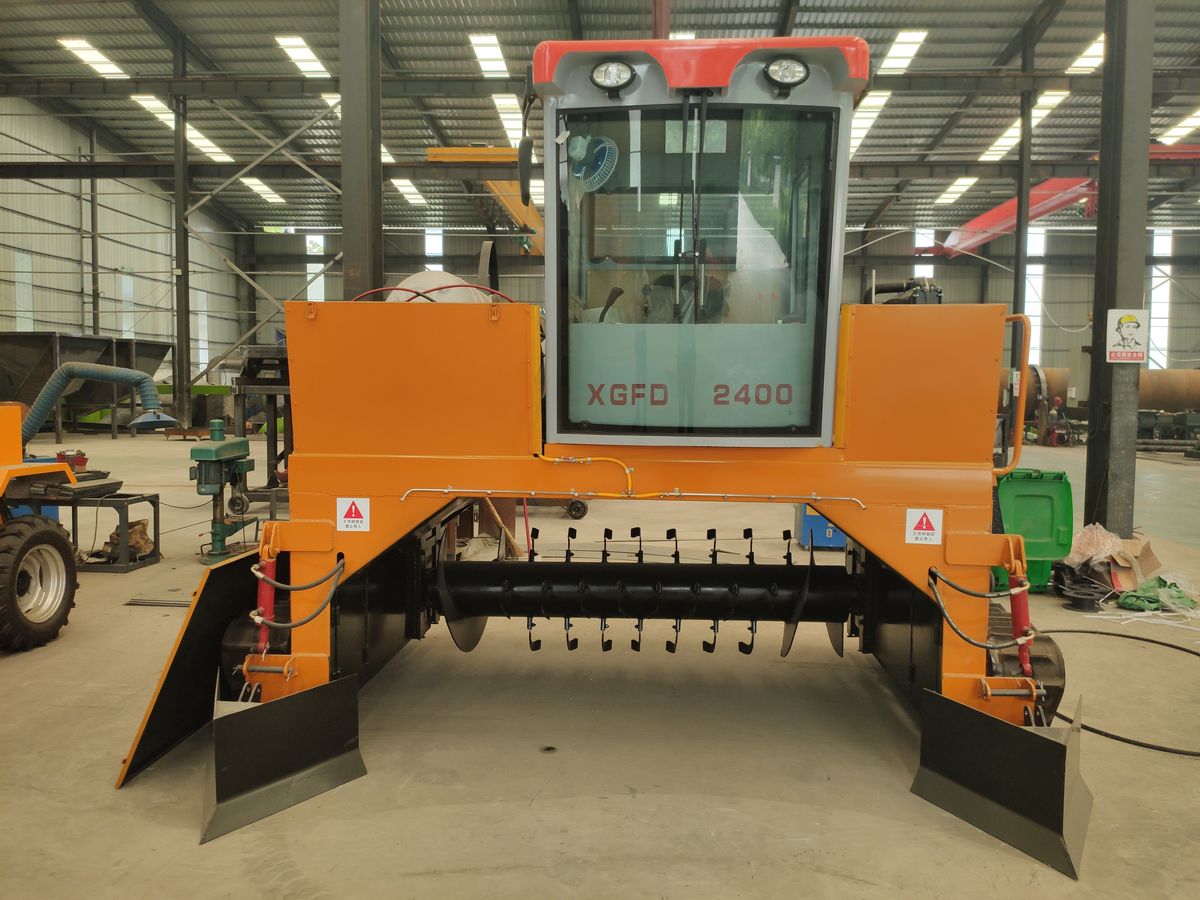
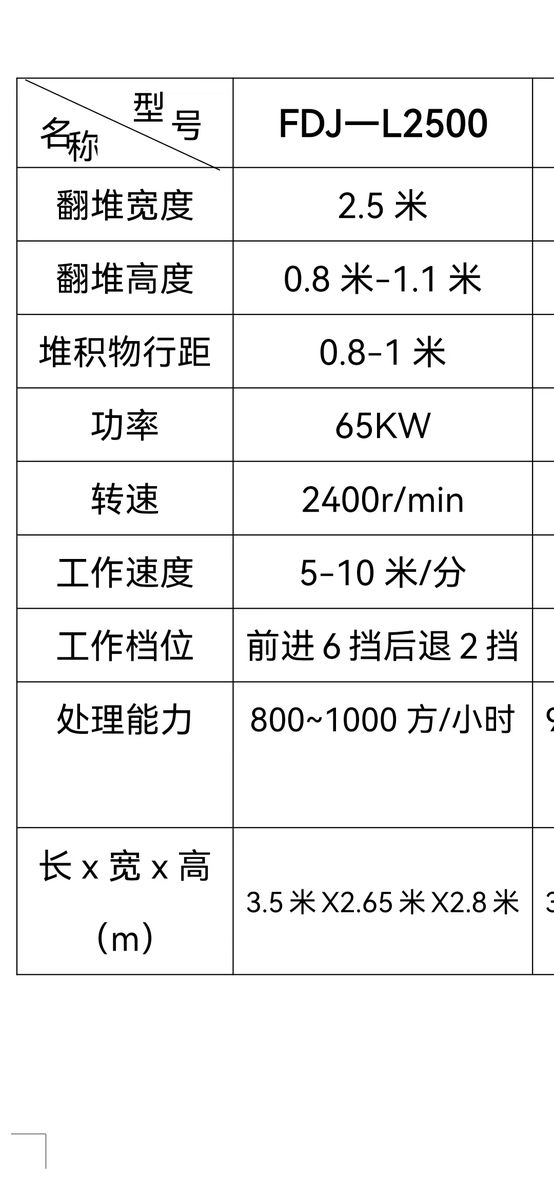
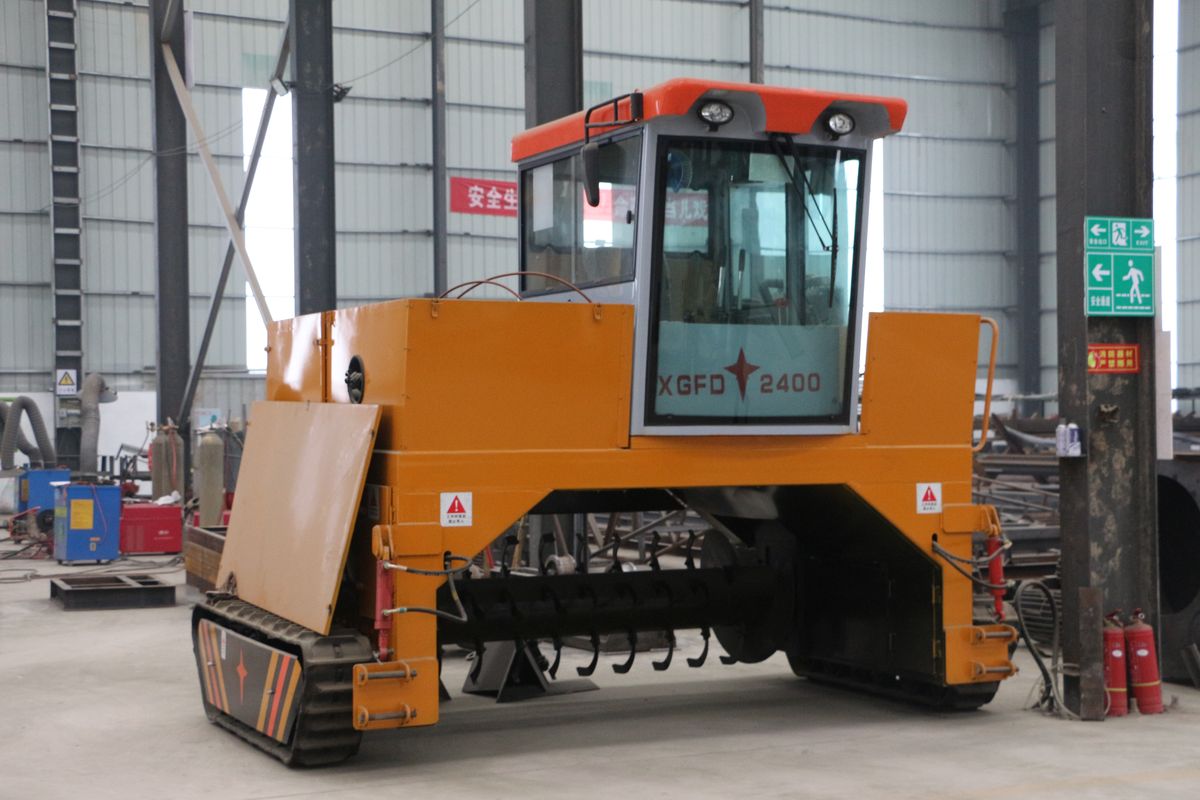
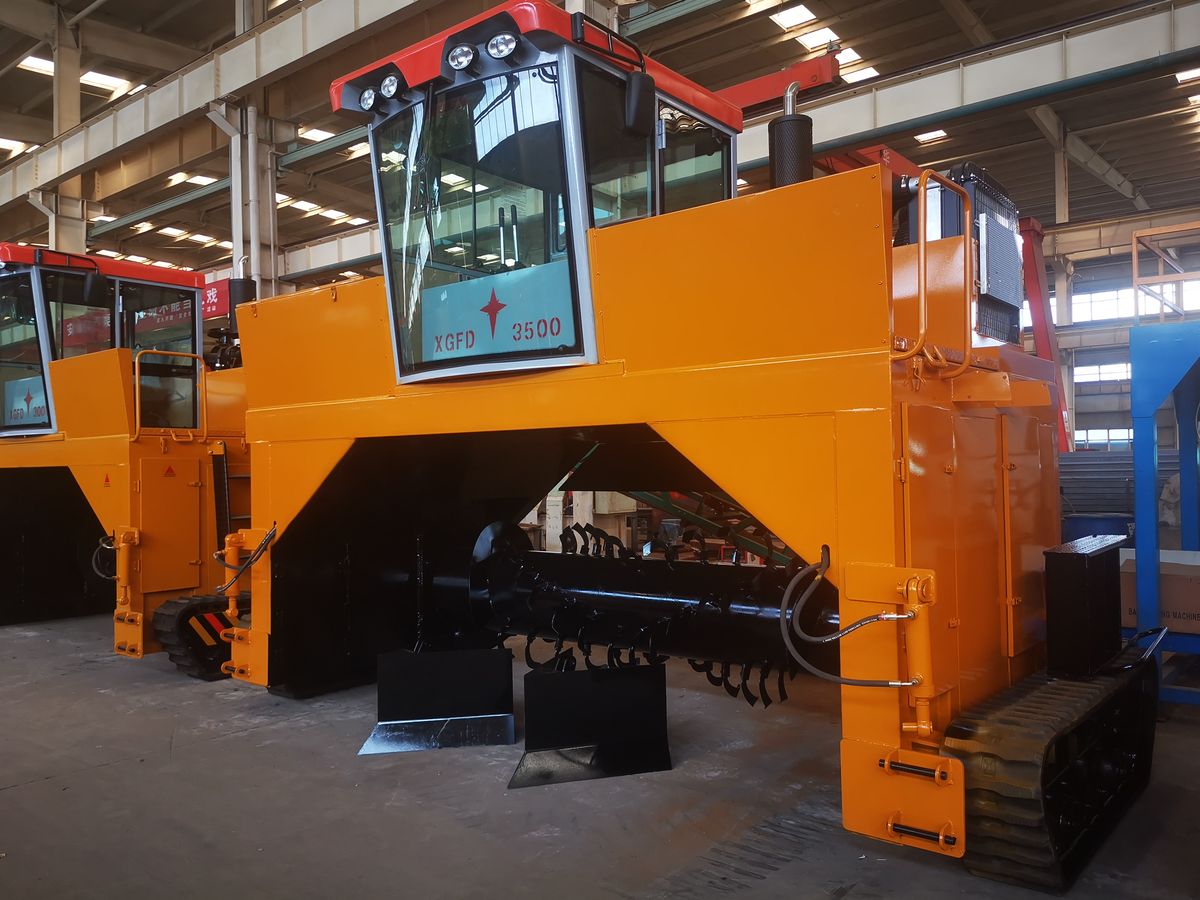
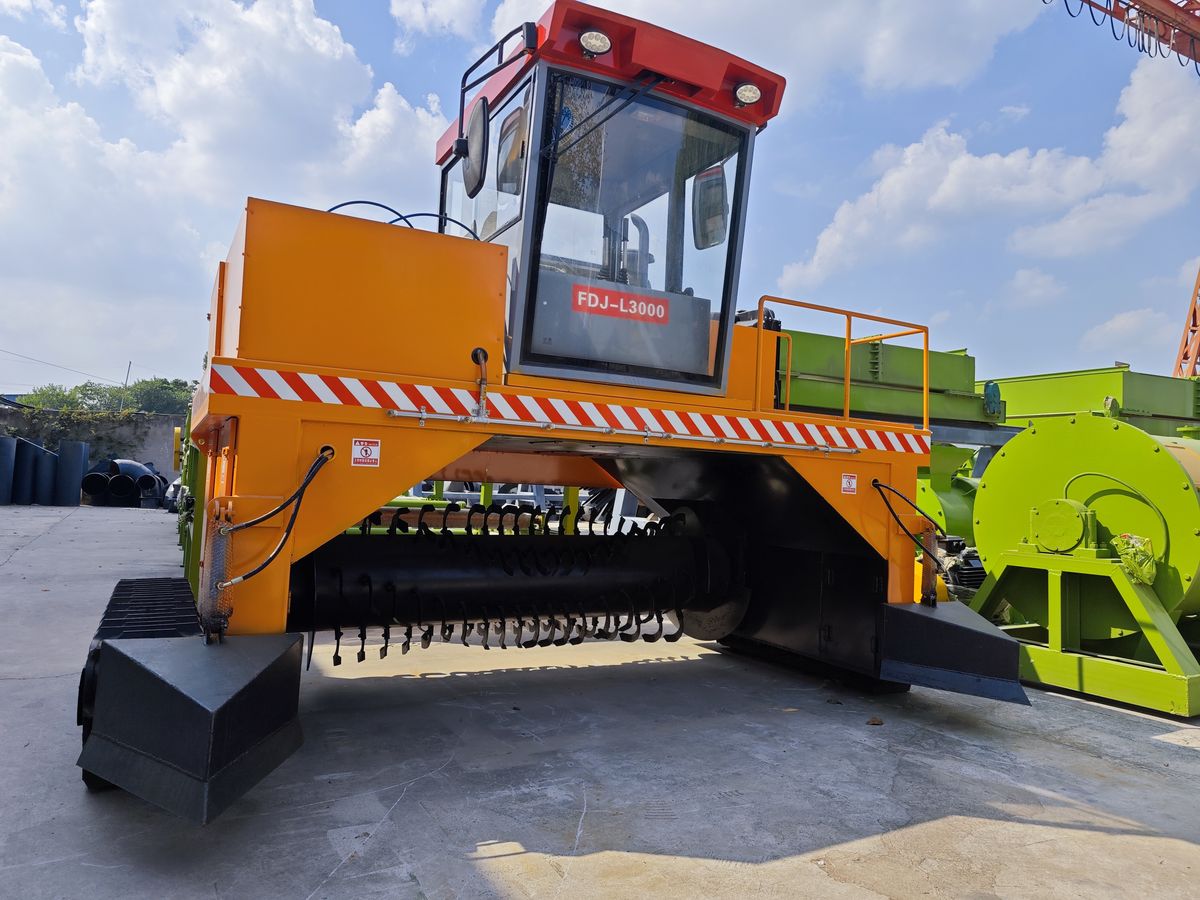
Shunxin produces two types windrow compost turners, self-propelled compost turner and crawler type compost turner.
In terms of composting in long rows, windrow compost turner can finish turning in a short time. At the same time, it can rearrange the compost pile during operation. The windrow turning machine is quipped to low diesel emission, which is suitable for working indoors and outdoors.
High-quality and efficient turning apparatus: The rotating blades can stir organic waste evenly and crush bulks into small pieces, which can shorten composting period.
Equipped with spray system: Both of them can be equipped with water spraying system (includes water pump, steel pipe, water spray nozzles and water tank), which is convenient for water addition during composting.
One-person operation: You just need designate one worker to operate this machine, which can greatly save workforce.
When you make a compost in fermentation grooves, groove type compost turner will be your best assistant.
It moves on the grooves and can turn the organic waste evenly at a constant speed.
What’s more, it can work for different grooves with the help of transfer machine.
Our stirring teeth adopt high-quality materials, which make strong turning capacity and longer service life.
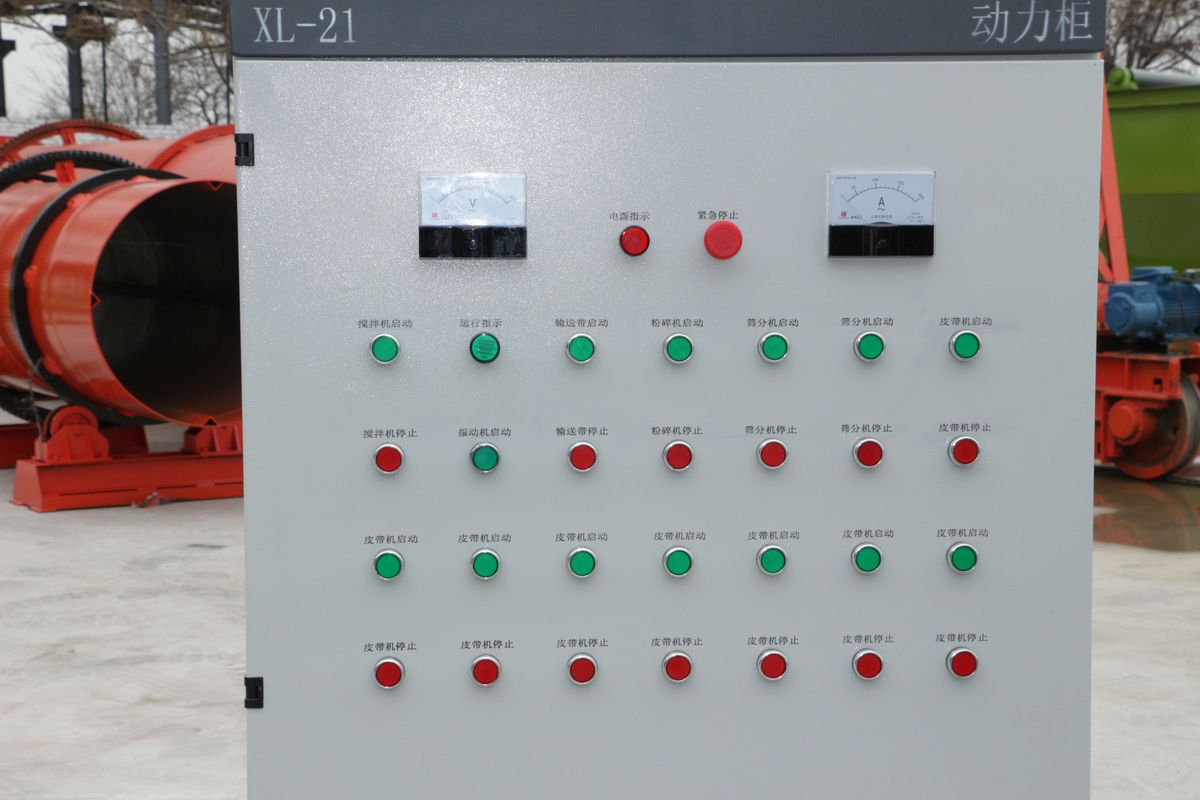
You can control its working speed by control cabinet, which is easy-to-operate.
Meanwhile, large scale wheel type compost turner and high-output chain plate type compost turner are also available for fermentation grooves. You can choose suitable one, according to the volume of livestock manure, fermentation space and budget.
Do you want to know more details? Please send your requirements to us!
Different with the former two types compost turner, Shunxin fermenter has higher automation. You just need to prepare raw martials for composting.
After putting them into Shunxin fully automatic fermenter, you can get quality compost in 7 or 10 days.
As we all know, you should strictly control the moisture, temperature and oxygen content of the compost pile, so as to make compost successful. With the help of fermenter, you do not worry how to control these factors. You just need to set parameters on the PLC control system. Then, the interior stirring apparatus, temperature sensor, air supply system and deodorization device can separately control the uniform composting, temperature, oxygen content and odor.
The most important point is that, you need not prepare much space for composting, Shunxin automatic composting machine occupies less space than fermentation on the ground does.
Besides direct application of composted livestock manure, you can also make commercial organic fertilizer from it. The commercial organic fertilizer from livestock manure is more suitable for sale in market. As professional organic fertilizer machinery supplier, Shunxin offer you two commercial livestock manure management system. One is powdery livestock manure fertilizer production, and the other is granular livestock manure fertilizer production.
Powdery fertilizer production is simpler. The complete steps and related equipment are as below:
Composting process (Compost turner): The involvement of compost turner can accelerate composting period and improve compost quality.
2. Crushing process (New type vertical crusher): New type vertical crusher makes caking and bulk in compost into small particles by rotating blades and chain.
3. Screening process (Rotary screen machine): Rotary screen machine have two or more screening levels. It can select out smaller and larger particles, so as to guarantee the uniformity of compost.
4. Batching and mixing process (Batching machine and disc mixer): Batching machine can help you to accurately add nutrient elements, so as to increase fertilizer effect or functions. And disc mixer is responsible for blending them evenly.
5. Packaging process (powdery fertilizer packaging machine): In this step, packing machine can make bagged compost fertilizer by automatically feeding, weighing, filling and sewing.
Note: The step 4 is optional, you can choose them according to your production requirements.
If you want to make fertilizer production line, we can provide your professional design!
Livestock manure fertilizer production is complex and needs higher investment. Meanwhile, granular organic fertilizer is also popular in fertilizer industry. The complete production procedures include:
Composting process: Making quality compost from livestock manure.
Crushing process: Eliminating caking resulted from long-term stacking.
3. Screening process: Guaranteeing uniform of compost by selecting out impurities and particles with unqualified size.
4. Batching and mixing process: For adding other nutrient elements and mixing them evenly.
5. Granulating process: Making granular organic fertilizer pellets by wet granulation.
6. Drying and cooling process: Remove extra water content by high temperature and cool down to normal temperature.
7. Polishing and coating process: Polishing process is used for making pellets spherical and more uniform; you can coat fertilizer pellets with anti-blocking agent, functional bacteria or other materials.
8. Packing process: In this step, you can make bagged organic fertilizer, which is convenient for storage and transportation.
Note: The step 4 and 7 is optional, you can choose them according to your production requirements.
Among commercial fertilizer pellets making machines, compost crusher, compost screen and granulator is essential. Because these three processes cannot be finished without machines. According to our experience, we can recommend the following combinations (for reference only):
New type vertical crusher + rotary screen machine + disc granulator.
Forklift feeder machine (temporarily store composted livestock manure) + vertical crusher+ rotary screen machine + pan granulator/new type organic fertilizer granulator+ fertilizer pellets packaging machine + mobile belt conveyor (for connecting different processes).
The forklift feeder + semi-wet material crusher + vibrating screen machine + disc granulator + drying and cooling machine + fertilizer packaging machine + belt conveyor.
Forklift feeder + vertical crusher + rotary drum screen + batching machine + disc mixer/horizontal mixer + rotary drum stirring granulator + drying and cooling machine + dust collector + fertilizer bagging machine + belt conveyor.
If you want to know more about machine selection, please send your requirements to us!
In terms of livestock manure management on farm, low-cost compost fertilizer production will be the optimal choice. Because livestock farm has fixed manure source, there is no need to worry raw materials. The first thing you should do is composting. You just need to collect livestock manure and pile them together in long rows. At the same time, you should adjust manure moisture, add C rich materials and mix them evenly. With the help of manure composting machine, you can get quality livestock manure compost in 20 or 30 days. After several days’ stabilization, you can use it as fertilizer directly. Or you can adopt compost crusher and compost screen to eliminate caking, select out impurities and make uniform compost fertilizer. Finally, you can employ fertilizer packing machine to make bagged compost fertilizer, which is convenient for storage, transportation and sale. The whole process needs fewer machines and less workforce.
Photographed in our Xingyang workshop and on customer sites. Watermark-free, no phone numbers.
Yes, and blending is often beneficial. Poultry manure is nitrogen-rich while cattle and horse manure are more balanced, so mixing them brings the carbon-to-nitrogen ratio closer to the 25–30:1 ideal without buying extra straw. Blend at the composting pad rather than in the collection system, so you can control the proportions and the moisture of the final pile.
As working figures: a dairy cow 15–20 tonnes a year including wash water, a finishing pig 2–6 kg a day or 10–20 litres of slurry, a laying hen 0.10–0.15 kg a day, a horse 5–9 tonnes a year including bedding, and a goat 1.5–3 kg a day. Measure your own operation before designing anything; these averages vary widely with housing and management.
Solid manure can be stacked, turned and composted directly, and needs no separation equipment. Slurry must be separated first, because at 85–95% moisture it cannot be piled or aerated. After separation the two streams rejoin in the same process, but the separation step and the liquid handling system are additional equipment that solid-manure operations do not need.
In most jurisdictions, large livestock operations require some form of environmental permit or registration covering storage capacity, land application rates and record keeping. Requirements vary widely and change, so confirm the current rules with your local agricultural or environmental authority before investing. Processing manure into a registered fertilizer product generally simplifies the position, because the product can be transported and sold rather than applied within a fixed land area.
Manure management guidance for every farm animal: how cow, pig, poultry, horse and goat manure differ, how to handle a…
Read more →How to build a farm waste management plan: assess waste streams, size storage, set up composting, plan land applicatio…
Read more →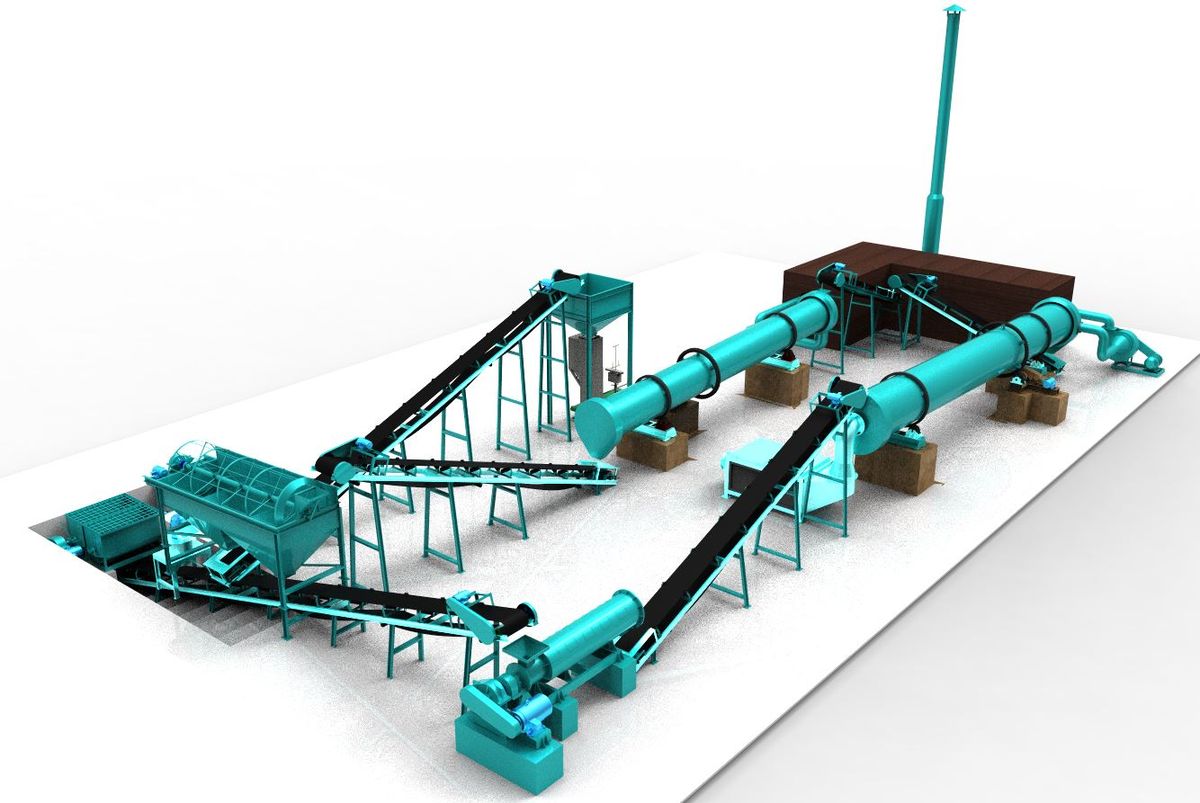
Complete manure to fertilizer solutions: separation, fermentation, crushing, screening, granulation, drying and baggin…
Read more →Manure composting systems: windrow, groove and in-vessel fermentation, how to design the pile, control temperature, ju…
Read more →Send your raw material, target capacity and country. Our engineers reply within one working day with a process route, equipment list and budget.
Send us your raw material and target capacity — we will propose the process, the machines and the budget.
Send your raw material and target capacity — our engineers reply within one working day with a process route, equipment list and budget.
Our engineering team will reply within one working day. For anything urgent, message us on WhatsApp.
Open WhatsApp